
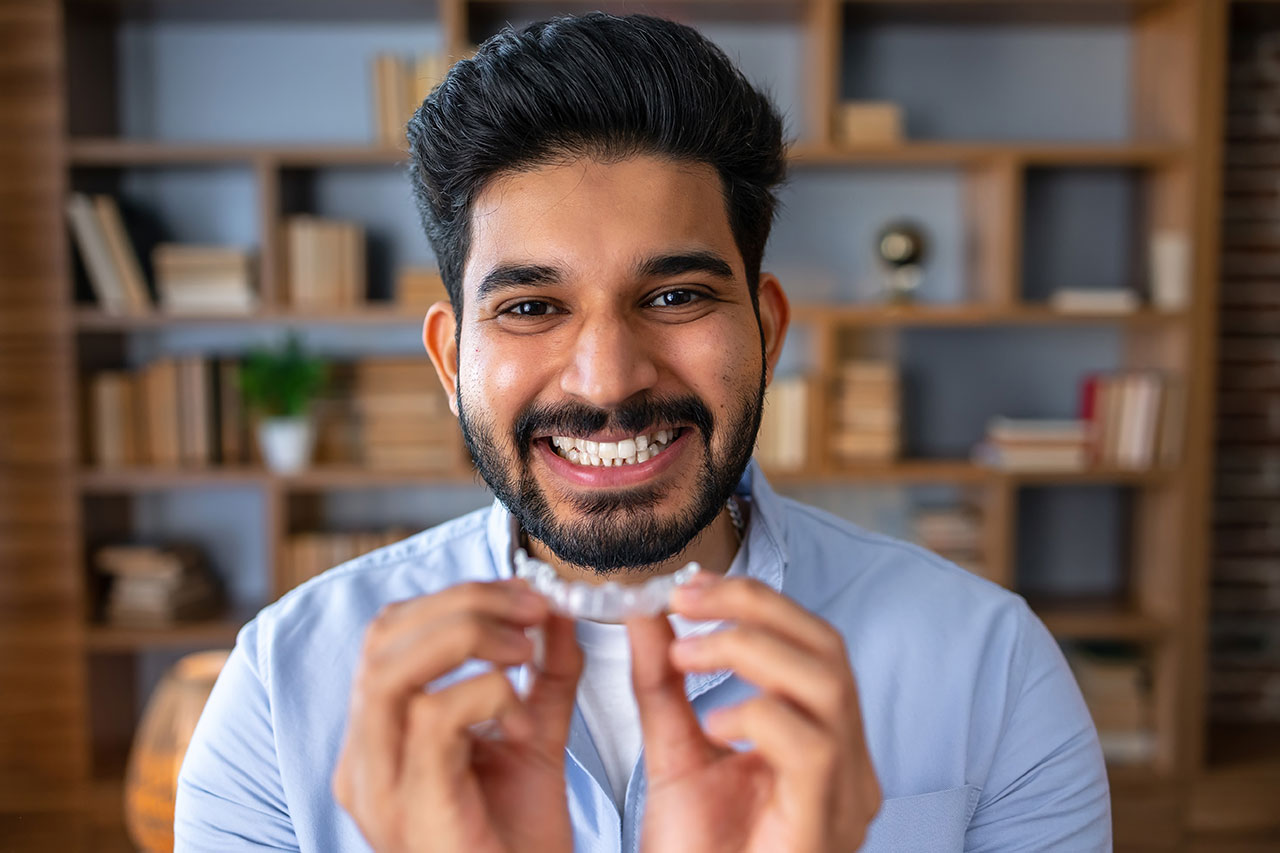
Straightening teeth is an achievement, but keeping them straight is the long game. Teeth are not set in stone after orthodontic treatment. They can slowly shift due to bite forces, aging, grinding, and daily pressure from the lips and tongue. That is why dental retainers matter so much. Dental retainers help hold teeth in their corrected positions so your orthodontic results stay stable over time.
Patients can learn more through Dogwood Dental’s dental retainers service page. Whether you recently completed braces or clear aligner treatment, or you noticed teeth shifting years after past orthodontics, dental retainers can play an important role in protecting your smile.
What Dental Retainers Do
Dental retainers are custom appliances designed to keep teeth from moving after orthodontic treatment. When teeth are moved into better positions, the surrounding bone and gum tissues need time to settle. Without support, teeth may drift back toward their old positions.
This movement is called relapse. It is common, and it can happen at any age. Dental retainers help reduce that risk by providing gentle, consistent support.
Retainers are not only for teens. Many adults wear dental retainers after clear aligners or braces. Some adults also need retainers because teeth shifted after old orthodontic treatment from years ago. The goal is simple: keep the smile stable.
Types of Dental Retainers
There are different types of dental retainers, and your dentist will recommend the option that best fits your needs.
Clear Removable Retainers
Clear retainers look similar to clear aligners. They fit over the teeth and are usually worn at night after the initial retention period. Many patients like them because they are thin, discreet, and easy to wear.
Hawley Retainers
Hawley retainers have an acrylic base and a thin wire that sits across the front teeth. They are durable and adjustable in some cases. Some patients prefer this style because it can last a long time with proper care.
Fixed Retainers
A fixed retainer is a thin wire bonded behind the teeth, often used on the lower front teeth. It stays in place and works all the time. Fixed dental retainers can be helpful for patients with a higher risk of shifting, but they require careful cleaning around the wire.
Each option has strengths. The best dental retainers are the ones that fit comfortably, match your risk of shifting, and are realistic for your daily routine.
Why Teeth Shift After Orthodontic Treatment
Many people feel surprised when teeth shift after treatment. But teeth are held in place by living tissues, and those tissues respond to pressure. After orthodontics, the bone and ligaments around the teeth need time to stabilize. Even after that, normal aging can cause slow movement.
Common reasons teeth shift include:
- Not wearing dental retainers as directed
- Natural changes in the jaw over time
- Grinding or clenching
- Tooth loss that changes bite pressure
- Gum disease or bone loss
- Daily pressure from the tongue, lips, and cheeks
This is why retention is not a short-term afterthought. Dental retainers are part of the orthodontic process, not a bonus step.
How Often Should Dental Retainers Be Worn?
Wear time depends on your treatment history and your dentist’s recommendation. Some patients need full-time wear for a period after orthodontics, then nighttime wear. Others may move straight to nighttime use. If you have had relapse before, your dentist may recommend more consistent wear.
The key is to follow your specific instructions. If dental retainers feel tight after skipping nights, that may be a sign your teeth are starting to move. A tight retainer is an early warning, and it is better to respond quickly than wait until the retainer no longer fits.
What Happens If You Stop Wearing Dental Retainers?
If you stop wearing dental retainers, teeth may begin to shift. Sometimes the change is small at first, such as slight crowding in the lower front teeth. Over time, the movement can become more noticeable. Gaps may reopen, rotations may return, or the bite may feel different.
If your retainer no longer fits, do not force it. Forcing a retainer can damage teeth or gum tissue. Instead, schedule a visit. Your dentist can evaluate whether you need a new retainer, minor orthodontic correction, or another plan.
How to Care for Dental Retainers
Good care helps dental retainers last longer and stay fresh. Rinse removable retainers after wearing them, brush them gently with a soft toothbrush, and store them in their case when not in use. Avoid hot water because it can warp plastic retainers.
Keep retainers away from pets, napkins, pockets, and hot cars. Many retainers are lost because they are wrapped in a napkin and thrown away. Others are damaged by pets who love chewing them. A case is simple, but it can save you from needing a replacement.
If you have a fixed retainer, cleaning is especially important. Plaque can collect around the wire, so your dentist may recommend floss threaders, small brushes, or a water flosser.
Benefits of Dental Retainers
- Protects orthodontic results: Dental retainers help hold teeth in their corrected positions.
- Reduces relapse: Consistent wear lowers the chance of teeth shifting back.
- Supports bite stability: Keeping teeth aligned helps maintain a more balanced bite.
- Saves time and money: Wearing retainers can help prevent the need for repeat orthodontic treatment.
- Custom fit: Dental retainers are made for your teeth, which improves comfort and effectiveness.
- Flexible options: Clear, Hawley, and fixed retainers allow treatment to match different needs.
- Long-term confidence: Retainers help you enjoy the smile you worked hard to achieve.
Keep Your Smile Where It Belongs
Orthodontic treatment moves teeth, but dental retainers help keep them there. If you have completed braces, clear aligners, or any tooth movement, retainers are one of the most important tools for protecting your results. They are simple, effective, and far easier than correcting major relapse later.
Ready to protect your smile with dental retainers? Contact Dogwood Dental at (770) 926-6886 to schedule your consultation at 2421 Shallowford Rd Suite 146, Marietta, GA 30066, or book an appointment to get a custom retainer plan that supports long-term smile stability.