
Brushing and flossing are the daily habits that keep your mouth on track, but even great home care has limits. Plaque can harden into tartar, and tartar does not brush off at home. Certain areas, especially along the gumline and between teeth, are easy to miss when life gets busy. That is why professional teeth cleaning is so important. A professional teeth cleaning is not just about polish and fresh breath, it is about removing buildup that can lead to cavities, gum irritation, and long-term dental problems.
At Dogwood Dental in Marietta, GA, patients often ask, “If I brush well, do I still need a cleaning?” “Why do my gums bleed during cleanings?” and “How often should I get a professional teeth cleaning?” This guide explains professional teeth cleaning in a clear, reassuring way so you know what it does and why it matters.
What Professional Teeth Cleaning Removes That Home Care Cannot
When plaque stays on teeth long enough, it hardens into tartar. Tartar creates a rough surface that attracts more plaque, and it often builds up along the gumline where it is hardest to see. A toothbrush cannot remove tartar once it forms. That is where professional teeth cleaning comes in.
During a professional teeth cleaning, the dental team removes:
- Tartar buildup above and slightly below the gumline
- Plaque in hard-to-reach areas
- Surface stains from foods and drinks
- Bacterial buildup that can irritate gums
This is one of the main reasons patients often feel a “clean slate” sensation after a professional teeth cleaning.
What Happens During a Professional Teeth Cleaning Visit
Many people have not had a cleaning in a while and feel nervous about what to expect. The good news is that a professional teeth cleaning is usually straightforward and gentle.
Step 1: Evaluation of Gums and Teeth
The dental team checks your gums and teeth to look for inflammation, bleeding, or areas that trap plaque. This helps determine whether a routine professional teeth cleaning is enough or if deeper gum care is needed.
Step 2: Removing Tartar and Plaque
Using specialized instruments, the hygienist removes tartar and plaque from tooth surfaces and along the gumline. Some areas may feel more sensitive if there is inflammation, but the goal is steady, comfortable care. If you are anxious, you can always ask for breaks.
Step 3: Polishing
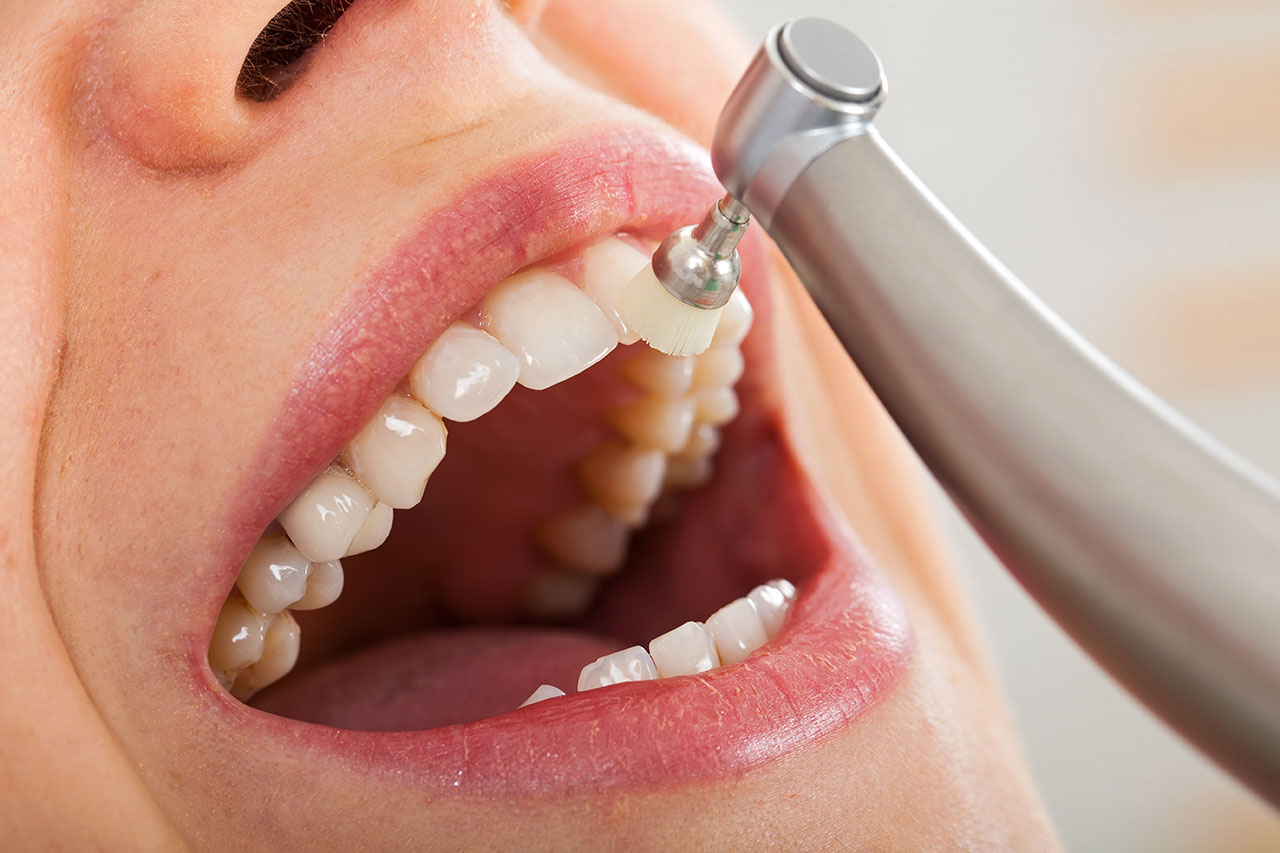
Polishing removes surface stains and makes teeth feel smooth. Smooth teeth are easier to keep clean because plaque has fewer rough spots to cling to.
Step 4: Flossing and Rinse
Your teeth are flossed and rinsed to remove remaining debris. Your dental team may also discuss products and techniques that can help you keep results longer.
Some visits also include an exam or additional preventive steps, depending on your needs.
Why Gums Sometimes Bleed During Professional Teeth Cleaning
Bleeding gums can be unsettling, but it is often a sign of inflammation, not a sign that the cleaning is harmful. When gums are irritated, they can bleed more easily. Many patients notice bleeding decreases after they return to consistent cleanings and daily flossing.
If your gums bleed often, professional teeth cleaning helps by removing the bacteria and tartar that are fueling irritation.
How Often Should You Get a Professional Teeth Cleaning?
Many patients do well with a professional teeth cleaning every six months. Some people need more frequent visits if they:
- Have gum disease or gum inflammation
- Build tartar quickly
- Have dry mouth
- Have braces or clear aligners that make cleaning harder
- Have a history of frequent cavities
- Smoke or use tobacco
The right schedule is personal. Your dentist will recommend a frequency that matches your mouth, not someone else’s routine.
Professional Teeth Cleaning and Bad Breath
Persistent bad breath often has more than one cause, but bacterial buildup along the gumline is a common contributor. A professional teeth cleaning can reduce that bacterial load and help breath feel fresher. If bad breath continues, your dental team can help identify other causes, like dry mouth or gum pockets that trap bacteria.
Professional Teeth Cleaning Is Preventive Care, Not Cosmetic Only
Yes, cleanings make teeth look better. But the deeper value of a professional teeth cleaning is prevention. Cleanings help:
- Reduce cavity risk by removing plaque and tartar
- Lower gum inflammation
- Catch small problems early
- Support long-term tooth stability
When you keep up with professional teeth cleaning, you often avoid the bigger repairs that come from long gaps in care.
Benefits of “professional teeth cleaning”
- Removes tartar that brushing cannot remove at home
- Helps reduce gum inflammation and bleeding
- Supports cavity prevention by removing plaque buildup
- Removes surface stains and leaves teeth feeling smooth
- Helps keep breath fresher by reducing bacteria along the gumline
- Allows early detection of small issues before they become major problems
- Supports long-term oral health by keeping gums and teeth stable
The Real Value of Staying Consistent
A professional teeth cleaning is one of the simplest ways to protect your smile. It is not about perfection, it is about consistency. When tartar and plaque are removed regularly, your gums stay healthier, your cavity risk goes down, and your mouth feels better overall. If it has been a while, that is okay. The best time to restart is now.
Ready to book your next professional teeth cleaning? Contact Dogwood Dental at (770) 926-6886 to schedule a consultation at 2421 Shallowford Rd Suite 146, Marietta, GA 30066, or book an appointment to keep your smile clean, healthy, and strong.