
One missing tooth may seem like a small problem, especially if it is not easy to see when you smile. But your mouth notices the gap. Nearby teeth can shift, chewing can change, and the open space can start to affect your bite over time. That is why single tooth dental implants are such an important option. They replace one missing tooth in a way that feels stable, looks natural, and helps protect the teeth around it.
Patients can learn more through Dogwood Dental’s single tooth dental implants service page. Unlike some tooth replacement options, single tooth dental implants replace the tooth root and the visible tooth. This gives the replacement strong support without needing to reshape the neighboring teeth.
What Single Tooth Dental Implants Are
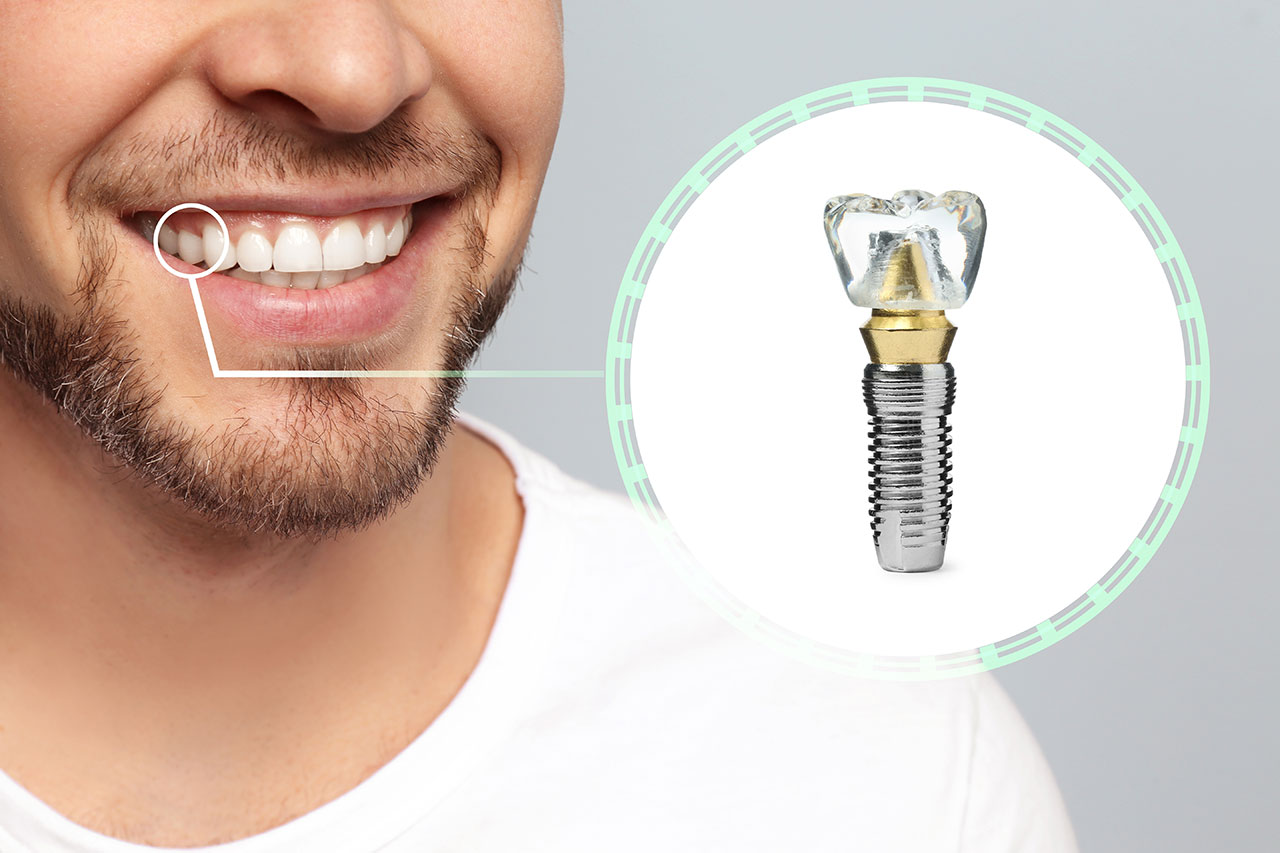
Single tooth dental implants are designed to replace one missing tooth from root to crown. The implant itself is a small post placed in the jawbone. After it heals and bonds with the bone, a connector and custom crown are attached. The crown is the part you see when you smile or chew.
The reason single tooth dental implants feel so stable is that they are anchored in the jawbone. This is different from a bridge, which often depends on the teeth next to the gap for support. With an implant, the replacement tooth stands on its own.
That independent support is one of the biggest reasons patients choose single tooth dental implants. They can help restore chewing strength while leaving healthy neighboring teeth untouched whenever possible.
Why Replacing One Missing Tooth Matters
It can be tempting to leave a gap alone, especially if the missing tooth is toward the back. But teeth are designed to work together. When one is missing, other teeth may begin to move into the open space. A tooth above or below the gap may also drift because it no longer has a partner to bite against.
Over time, this can create problems such as uneven wear, food traps, gum irritation, and bite discomfort. Single tooth dental implants help prevent these changes by filling the space with a stable replacement.
Replacing the missing tooth can also make chewing feel more natural. Many patients start chewing on one side after losing a tooth. That habit can overload the other side of the mouth. Single tooth dental implants help restore balance so your bite can work more evenly again.
The Single Tooth Dental Implant Process
The process begins with a consultation. Your dentist evaluates the missing tooth area, checks bone support, reviews your health history, and discusses your goals. Imaging helps determine whether the jawbone can support the implant or whether additional preparation is needed.
If the area is ready, the implant post is placed in the jawbone. The area is numbed for comfort, and sedation options may be discussed if you are nervous. After placement, the implant needs time to heal and bond with the bone. This healing period is part of what gives single tooth dental implants their strength.
Once healing is complete, the final crown is designed. Your dentist checks the shape, shade, and bite so the crown blends naturally with your smile. The goal is for single tooth dental implants to feel like they belong, not like something extra in your mouth.
Single Tooth Dental Implants vs. Dental Bridges
A dental bridge can also replace one missing tooth, and it may be the right option in certain cases. However, a traditional bridge usually requires crowns on the teeth next to the space. If those teeth already need crowns, a bridge can make sense. If they are healthy, some patients prefer single tooth dental implants because the neighboring teeth do not need to be reshaped for support.
Another difference is bone support. When a tooth root is missing, the jawbone in that area can shrink over time. Because implants sit in the bone, single tooth dental implants help provide stimulation to that area during chewing. This can help support jawbone health where the tooth was lost.
Who Is a Good Candidate for Single Tooth Dental Implants?
You may be a candidate for single tooth dental implants if you are missing one tooth, have healthy gums, and have enough bone to support the implant. If bone has changed after tooth loss, you may still have options. Bone grafting or other preparation may help create a better foundation.
Good candidates are also committed to home care. Implants cannot get cavities, but the gums and bone around them still need to stay healthy. Brushing, flossing, and regular dental visits are important for the long-term success of single tooth dental implants.
If you grind or clench your teeth, your dentist may recommend a night guard. Heavy bite forces can stress the crown and implant components. Protecting your investment is part of a smart treatment plan.
Benefits of Single Tooth Dental Implants
- Stable tooth replacement: Single tooth dental implants are anchored in the jawbone, which helps them feel secure during chewing.
- Natural appearance: The final crown is shaped and shaded to blend with nearby teeth.
- Protection for neighboring teeth: Unlike many traditional bridges, implants do not require reshaping healthy teeth for support.
- Better bite balance: Replacing the missing tooth helps restore normal chewing patterns.
- Jawbone support: The implant helps provide function to the bone in the area where the tooth was lost.
- Easy daily care: Single tooth dental implants are cleaned with brushing, flossing, and regular dental checkups.
- Long-term value: With good care, implants can be a durable solution for replacing one missing tooth.
How to Care for a Single Tooth Dental Implant
Caring for single tooth dental implants is simple, but consistency matters. Brush twice a day, clean between teeth daily, and keep regular dental appointments. Your dental team may show you special flossing techniques or recommend small brushes for cleaning around the implant crown.
It is also important to avoid using the implant crown as a tool. Do not chew ice, bite fingernails, or open packages with your teeth. A crown is strong, but it is still dental work and should be protected from unnecessary force.
A Complete Smile Starts With One Strong Replacement
Losing one tooth does not have to lead to a lifetime of chewing changes or bite problems. Single tooth dental implants offer a strong, natural-looking way to replace one missing tooth while helping protect the rest of your smile. With careful planning and healthy daily habits, this treatment can restore comfort, function, and confidence.
Ready to learn whether single tooth dental implants are right for you? Contact Dogwood Dental at (770) 926-6886 to schedule your consultation at 2421 Shallowford Rd Suite 146, Marietta, GA 30066, or book an appointment to replace your missing tooth with confidence.