

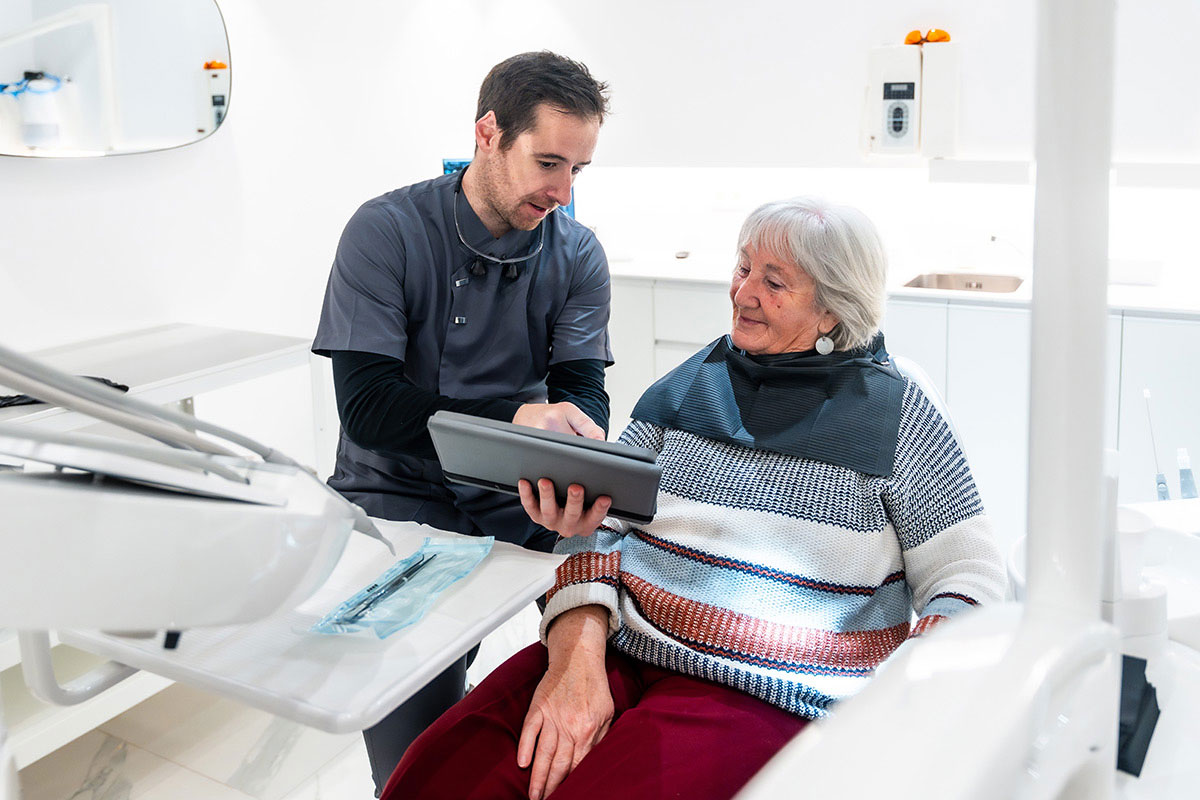
Replacing missing teeth should make everyday life easier. Yet one of the biggest concerns people have about dentures is whether their new teeth will actually feel comfortable. Will they stay in place while eating? Will they look natural? Will the process involve several difficult impressions and repeated adjustments? Modern digital technology is helping address many of these questions by changing how dentures are designed and produced.
At Dogwood Dental, digital dentures offer patients in Marietta, GA, an advanced approach to tooth replacement. Dr. Jacobs uses digital scanning and design technology to create personalized dentures based on the unique shape of each patient’s mouth. Understanding how digital dentures work can help patients compare their options and make informed decisions about replacing missing teeth.
What Are Digital Dentures?
Digital dentures are removable replacement teeth designed using computer-based technology. Traditional dentures are generally made through a series of physical impressions, measurements, and laboratory steps. Digital methods use scans and computer-assisted design to help capture important details about the gums, jaw, bite, and appearance of the replacement teeth.
This information is used to create a virtual design of the denture before it is manufactured. The design can be reviewed and adjusted to support the patient’s individual needs.
The finished appliance still has the same basic purpose as a conventional denture. It replaces missing teeth, supports chewing and speech, and helps restore the appearance of the smile. The difference is how the denture is planned and made.
Digital dentures may be created using different manufacturing methods, including milling or advanced printing processes, depending on the materials and dental laboratory involved. The dentist determines which design and materials are appropriate for the patient.
Why Denture Fit Is So Important
A denture does not function properly simply because it contains a complete set of artificial teeth. It must also fit the gums, match the patient’s bite, and allow comfortable movement during daily activities.
When dentures fit poorly, patients may experience sore spots, rubbing, difficulty chewing, or an appliance that moves during speech. Some patients begin using large amounts of adhesive to compensate for looseness.
Even a well-made denture may need occasional adjustments because the mouth changes over time. After tooth loss, the jawbone can gradually shrink, changing the shape of the gum ridge that supports the appliance.
Digital dentures aim to improve the accuracy and consistency of the design process. Detailed scans help the dentist evaluate the structures that influence fit. Computer-based design also allows careful planning of tooth position, shape, and bite relationships.
Although technology can improve the workflow, it does not eliminate the need for clinical judgment or follow-up appointments. The quality of the final result still depends on careful evaluation and proper maintenance.
How the Digital Dentures Process Works
Step 1: Evaluating the Mouth
The process begins with a dental examination. Your dentist checks gum health, the condition of any remaining teeth, the shape of the jaw, and how the upper and lower jaws meet.
If damaged teeth require extraction, that treatment must be included in the plan. If gum tissues are irritated or infected, addressing those concerns may improve the comfort of the final appliance.
This initial examination also helps determine whether traditional removable dentures, digital dentures, implant dentures, or another replacement option best fits the patient’s goals.
Step 2: Capturing Digital Records
Digital scanning technology records information about the shape of the mouth. Depending on the case, additional photographs, measurements, bite records, or other information may be needed.
Patients who have found traditional impression materials uncomfortable may appreciate aspects of digital scanning. However, some cases still require conventional impressions or additional physical records to achieve an accurate result.
Step 3: Designing the New Teeth
The digital design process helps establish tooth placement, size, shape, and appearance. The dentist considers facial support, how the lips rest, the patient’s bite, and the relationship between the upper and lower teeth.
Digital dentures can be customized for a natural-looking result. Teeth do not need to look overly white or identical in every detail. Subtle differences in shape and color can help the restoration complement the patient’s face.
Step 4: Creating and Evaluating the Denture
Once the design is approved, the appliance is manufactured using the selected materials and production process.
Depending on the case, a trial denture or other fitting step may be recommended. This allows important details to be checked before the final appliance is completed.
Step 5: Delivery and Adjustment
At the delivery appointment, your dentist evaluates fit, appearance, bite, and comfort. Minor adjustments may be needed, especially as the mouth begins adapting to the appliance.
Patients receive instructions for cleaning, eating, speaking, and returning for follow-up care.
Digital Dentures Compared With Traditional Dentures
Both digital and conventional dentures can provide functional, attractive tooth replacements. The main distinction is the production process.
Traditional dentures rely on physical impressions and laboratory techniques that have been used successfully for many years. They remain useful and appropriate for numerous patients.
Digital dentures use computer-based tools to support measurements, design, and fabrication. These methods may improve consistency, allow design records to be stored, and streamline certain replacement or adjustment steps.
Neither approach guarantees a perfect fit without follow-up. Bone changes, saliva, muscle movement, and individual anatomy can affect how any denture performs.
Patients should choose a treatment based on their oral health, comfort needs, available options, and professional recommendations rather than technology alone.
Can Digital Dentures Look Like Natural Teeth?
Appearance is an important part of denture planning. Replacement teeth should complement the patient’s facial features while providing the right support for the lips and cheeks.
Digital design offers control over tooth arrangement and shape. The dentist can plan how much tooth shows during a smile, how the teeth meet when biting, and how the appliance supports facial proportions.
Patients can discuss whether they prefer a brighter appearance or a shade that resembles their previous natural teeth.
A successful result should look balanced and appropriate rather than obviously artificial. Careful design can help create that effect, but the final appearance depends on the patient’s anatomy, materials, and treatment plan.
Benefits of Digital Dentures
- Personalized design: Digital dentures are planned using records of the patient’s unique oral anatomy.
- Precise measurements: Computer-based tools help capture and organize important information about fit and tooth position.
- Potentially fewer production steps: Certain digital workflows can streamline parts of denture fabrication.
- Natural-looking appearance: Digital planning helps customize tooth shape, placement, and smile proportions.
- Stored design records: Digital files may make future adjustments or replacement more convenient when compatible records are available.
- Improved patient communication: Digital designs can help explain tooth placement and treatment choices.
- Comfort-focused planning: Accurate records may help reduce avoidable fitting issues, although adjustments can still be necessary.
Getting Comfortable With New Digital Dentures
Even a carefully made denture requires an adjustment period. The lips, cheeks, and tongue need time to adapt to the new appliance.
During the first few days, speech may feel different. Certain sounds may require practice. Reading aloud can help the tongue become accustomed to the placement of the replacement teeth.
Eating also takes practice. Start with softer foods, cut meals into smaller pieces, and chew slowly. Using both sides of the mouth when appropriate may help stabilize removable dentures.
It is normal to need adjustments if a new denture creates sore spots. Patients should not attempt to reshape or file the appliance themselves because even minor changes can damage the fit.
Contact the dental office if rubbing continues, the appliance feels unstable, or chewing remains difficult. Follow-up appointments are part of successful denture care.
Caring for Digital Dentures at Home
Digital dentures require regular cleaning just like conventional dentures. Remove and clean the appliance according to the dentist’s instructions, using products designed for the denture material.
Do not assume that ordinary toothpaste is appropriate. Some toothpastes are abrasive and may scratch denture surfaces.
Rinse the appliance after meals when possible. Clean the gums, tongue, and remaining natural teeth every day. If you wear a removable denture, follow your dentist’s instructions about when to remove it and how to store it safely.
Avoid exposing dentures to very hot water because heat may distort certain materials.
Regular dental visits remain important even when no natural teeth are present. Your dentist can examine the oral tissues, monitor changes in fit, and identify irritation that needs attention.
Frequently Asked Questions About Digital Dentures
Are digital dentures better than traditional dentures?
Digital technology offers advantages in planning and manufacturing, but the best option depends on the patient’s mouth, treatment needs, and personal goals.
Will digital dentures need adjustments?
Possibly. New dentures often require adjustments as the mouth adapts, and changes in gum or bone shape can affect fit over time.
Can digital dentures replace all missing teeth?
Yes. Digital design methods can be used to create complete dentures for patients missing all teeth in an arch, when clinically appropriate.
Do digital dentures need special cleaning?
They require daily cleaning with products suitable for their materials, careful storage, and regular dental checkups.
Modern Design With Everyday Comfort in Mind
Digital dentures combine established tooth replacement principles with modern planning tools. For patients who need removable replacement teeth, this approach can provide a more customized process and help support comfortable chewing, natural appearance, and clear speech.
The most important part of treatment remains a thoughtful clinical plan. A well-designed denture should fit the patient’s oral anatomy and be supported by proper follow-up care.
Interested in learning whether digital dentures are right for you? Contact Dogwood Dental at (770) 926-6886 to schedule a consultation with Dr. Jacobs at 2421 Shallowford Rd Suite 146, Marietta, GA 30066, and discover personalized options for replacing missing teeth.