
A missing tooth can feel like a small change, until daily life starts adjusting around it. Chewing shifts to one side, food catches in the same spot, and the teeth nearby seem to “lean” into the open space over time. Even if you’re not in pain, that empty space can quietly affect your bite, comfort, and long-term tooth stability. That’s where dental bridges come in. Dental bridges are designed to replace missing teeth in a way that restores function, supports your bite, and helps keep neighboring teeth from drifting out of place.
At Dogwood Dental in Marietta, GA, patients often ask, “Do I really need to replace a missing tooth?” “Will a bridge look natural?” and “How long do dental bridges last?” This guide breaks down dental bridges in a patient-friendly way so you can understand your options and feel confident moving forward.
What Dental Bridges Are, and Why They Matter
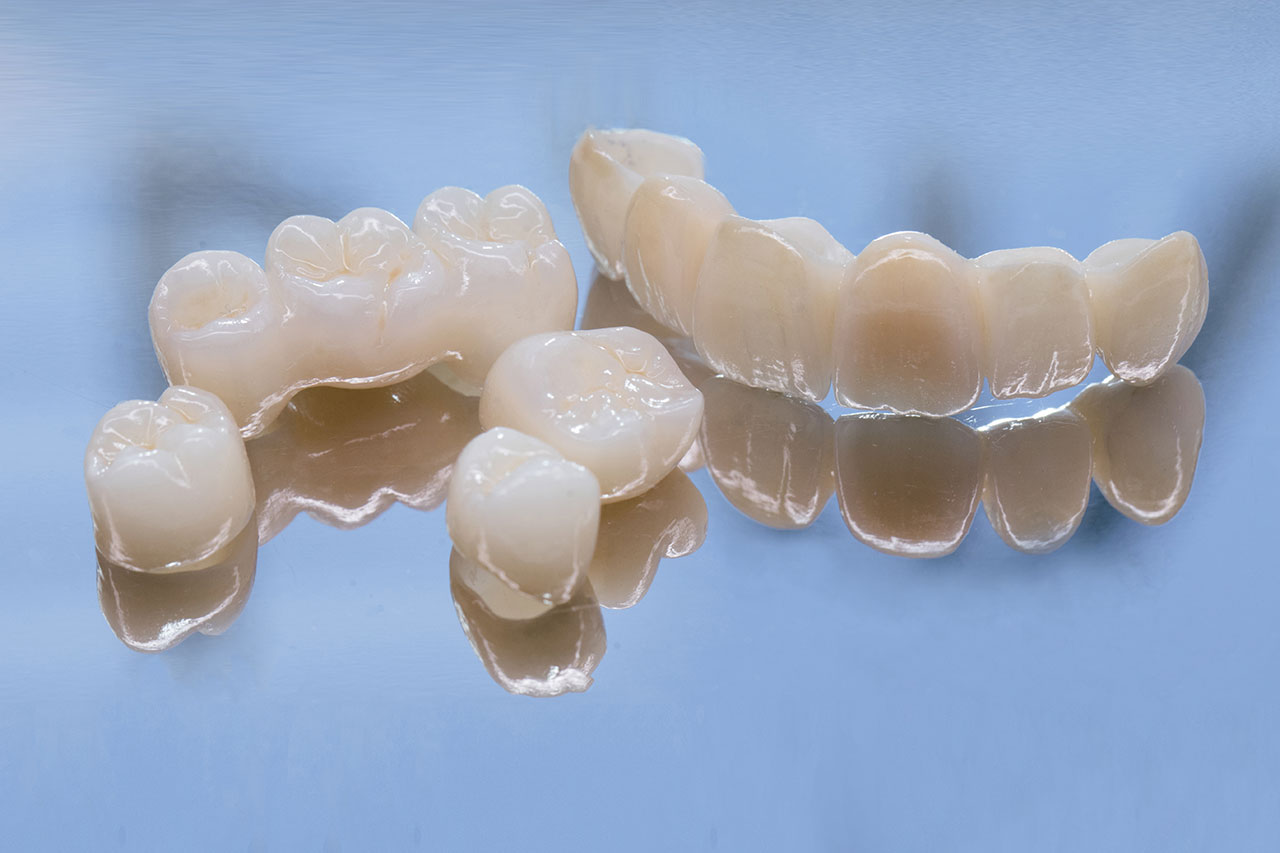
Dental bridges replace one or more missing teeth by “bridging” the gap. A bridge typically uses the teeth next to the gap for support, and the replacement tooth (or teeth) sits in the open space. The goal is to restore a complete chewing surface and keep your bite stable.
You can think of dental bridges as a strong, fixed solution that stays in your mouth. Unlike a removable partial denture, most bridges do not come out at night. Many patients like the “set it and forget it” feel of dental bridges, especially when they want a stable replacement that functions like natural teeth.
Why Replacing a Missing Tooth Is About More Than Appearance
Even if the gap is not front and center, missing teeth can cause a chain reaction:
- Teeth can shift toward the space. Neighboring teeth may tilt, and opposing teeth may drift.
- Your bite can change. Chewing forces can become uneven, which can lead to wear or sensitivity.
- Food traps can increase. Open spaces can collect food and irritate gums.
- Chewing can feel less efficient. You might avoid certain foods or chew mostly on one side.
Dental bridges help stop these changes early. By filling the space, dental bridges support a more balanced bite and a smoother daily routine.
Types of Dental Bridges, Explained Simply
There are a few kinds of dental bridges, and your dentist will recommend the right one based on the condition of your teeth and where the gap is located.
Traditional Dental Bridges
This is the most common type. A traditional bridge typically uses the teeth on either side of the gap as anchors. Those anchor teeth are shaped to fit crowns, and the replacement tooth is attached between them.
Traditional dental bridges can be a strong option when:
- The neighboring teeth are healthy enough to support crowns
- The surrounding teeth already need crowns or have large fillings
- You want a fixed solution that blends naturally
Cantilever Dental Bridges
A cantilever bridge is supported on only one side. This option is used in specific cases, often when only one neighboring tooth is available and the chewing forces are lower. Not every patient is a good fit, but in the right situation, cantilever dental bridges can work well.
Maryland Dental Bridges
This style often uses a bonded framework rather than full crowns on both sides. It is usually considered for certain front-tooth gaps where bite forces are lighter. It can be a more conservative style of dental bridges in the right case.
The best bridge is not the “most popular” bridge. It’s the bridge that fits your bite, your tooth health, and your long-term needs.
The Dental Bridges Process: What to Expect
Patients often feel better when the plan is clear. The process for dental bridges is usually straightforward and comfort-focused.
Step 1: Evaluation and Planning
Your dentist checks the gap, the gum health, and the teeth that would support the bridge. Imaging may be used to evaluate tooth roots and bone support. Planning matters because dental bridges need proper fit and bite alignment to feel comfortable and last.
Step 2: Preparing the Anchor Teeth
If a traditional bridge is the best option, the teeth next to the gap are shaped so crowns can fit securely. This step is done with careful numbing so you stay comfortable.
Step 3: Impressions or Digital Scans
A scan or impression is taken so the bridge can be crafted to match your bite and blend with your smile. A well-designed dental bridge should feel natural when you chew and speak.
Step 4: Temporary Protection
A temporary bridge may be placed while the final one is being made. This protects the prepared teeth and helps you function normally.
Step 5: Final Placement
When the final bridge is ready, your dentist checks fit, bite, and appearance. The bridge is then secured so it feels stable and comfortable. A careful bite check is important because dental bridges should not feel “high” or create pressure points.
Dental Bridges vs. Other Tooth Replacement Options
Patients often compare dental bridges to implants or removable partial dentures. Each option can be a good fit, depending on your needs.
Dental Bridges vs. Dental Implants
Implants replace a tooth root and support a crown without using neighboring teeth for support. Dental bridges often move faster than implants because implants may require healing time. Bridges can be a great choice when:
- You want a fixed option with a shorter overall timeline
- The neighboring teeth already need crowns
- Your health or anatomy makes implants less ideal right now
Dental Bridges vs. Partial Dentures
Partial dentures are removable and can be a cost-effective option. Some patients prefer dental bridges because they are fixed and do not need to be removed for cleaning. Many people find that dental bridges feel more “like teeth” because they stay in place.
A consultation helps identify the best fit, not just the cheapest or fastest option.
How Long Do Dental Bridges Last?
Dental bridges can last for many years, especially with good home care and routine dental visits. Longevity depends on:
- Oral hygiene habits
- Gum health
- Bite forces and grinding
- The condition of the supporting teeth
- Regular professional checkups
A bridge is only as healthy as the teeth and gums around it. That’s why the daily habits that protect dental bridges are simple but important.
How to Care for Dental Bridges at Home
- Brush twice a day, focusing along the gumline
- Clean between teeth daily, including under the bridge area
- Use flossing tools designed to help reach under the bridge
- Keep regular cleanings so buildup does not collect around the anchors
- Wear a night guard if you clench or grind
Many bridge problems start with gum irritation or decay near the edges. Good cleaning protects the foundation of your dental bridges.
Why This Option Can Be a Smart Choice (Without Overcomplicating It)
Here are the practical reasons many patients choose dental bridges:
- They want a fixed solution
- They want to restore chewing comfort
- They want to keep teeth from shifting
- They want a natural look without a removable appliance
- They want a clear timeline and predictable plan
For some patients, the best part is simply normal life returning. Less food packing, less bite awkwardness, and less thinking about the missing tooth.
What a “Benefits” Section Looks Like for Dental Bridges
Dental professionals often recommend dental bridges because they provide functional stability and help protect the long-term alignment of your teeth. Key benefits of dental bridges include:
- Restored chewing ability: Filling the space helps you bite and chew more evenly.
- Bite protection: Dental bridges can help prevent neighboring teeth from shifting and changing your bite.
- Improved comfort: Many people feel less irritation from food packing and less strain from chewing on one side.
- Natural appearance: A well-made bridge is crafted to blend with your smile’s shape and shade.
- Fixed convenience: Dental bridges stay in place, which many patients prefer over removable options.
- Support for long-term dental health: Keeping spaces filled can reduce the risk of uneven wear and crowding caused by shifting teeth.
Final Thoughts: A Complete Smile Is a Stronger Smile
A missing tooth is not only a cosmetic concern, it can be a functional issue that changes how your mouth works over time. Dental bridges offer a stable, natural-looking way to replace missing teeth and protect your bite from drifting and uneven pressure. With the right plan and consistent care, dental bridges can help you chew comfortably and keep your smile working the way it should.
Ready to explore dental bridges for your smile? Contact Dogwood Dental at (770) 926-6886 to schedule a consultation at 2421 Shallowford Rd Suite 146, Marietta, GA 30066, or book an appointment to find the best solution for replacing missing teeth.