

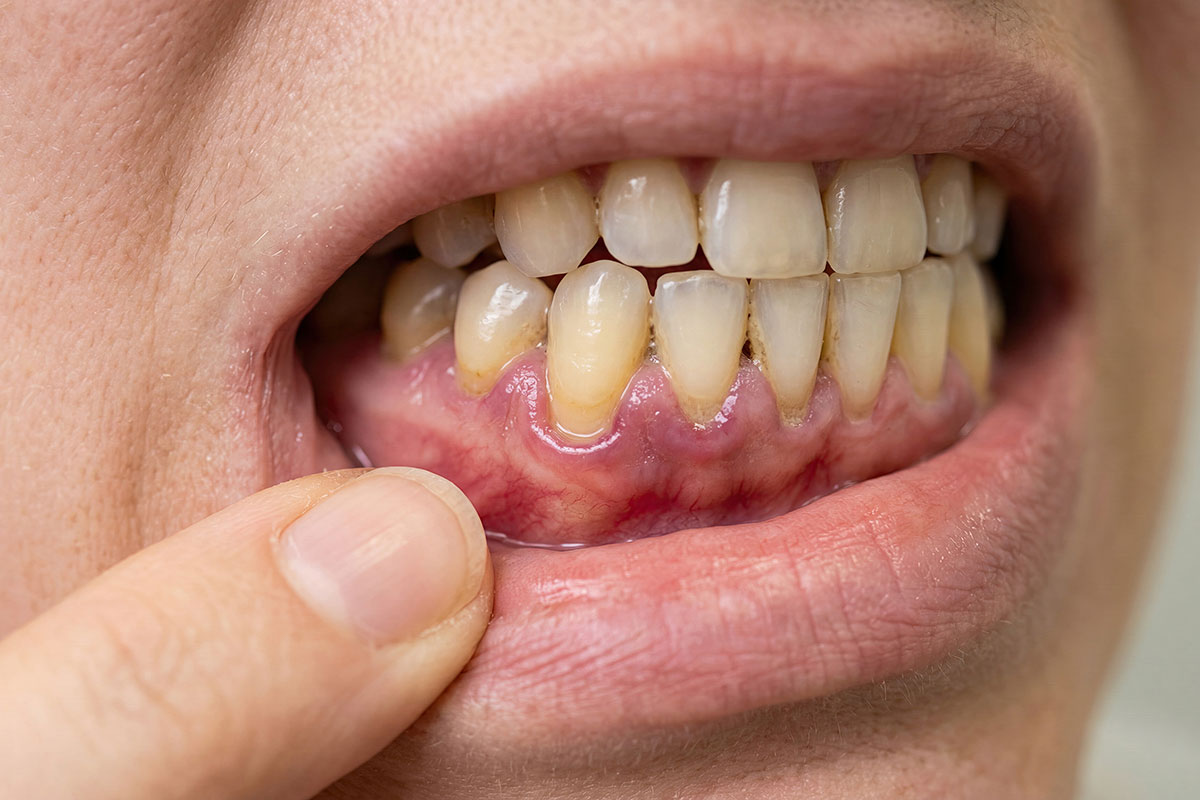
Gum disease does not always announce itself with pain. It often starts quietly, with a little bleeding when brushing, slight puffiness along the gumline, or breath that does not stay fresh for long. Because the earliest signs can be easy to overlook, diagnosing periodontal disease is one of the most important steps in protecting your teeth before gum problems become more advanced.
At Dogwood Dental, patients can learn more about this important process through the diagnosing periodontal disease service page. A clear diagnosis gives your dentist the information needed to understand what is happening below the gumline, how far the condition has progressed, and what treatment path can help restore healthier gums.
What Diagnosing Periodontal Disease Means
Diagnosing periodontal disease means evaluating the gums, teeth, supporting bone, and overall mouth for signs of infection, inflammation, and tissue damage. Periodontal disease, often called gum disease, begins when plaque and bacteria build up around the gumline. If plaque hardens into tartar and moves below the gums, the body responds with inflammation. Over time, this can damage the tissues and bone that hold teeth in place.
Many patients think gum disease is easy to spot, but that is not always true. Early gum disease may cause mild bleeding or tenderness, while more advanced stages can develop with little discomfort. This is why diagnosing periodontal disease requires more than simply asking whether your gums hurt.
Your dentist or hygienist will look for signs such as bleeding, swelling, gum recession, deeper gum pockets, loose teeth, bad breath, and bone changes. These details help determine whether the gums are healthy, inflamed, or affected by a more serious periodontal condition.
Why Gum Pocket Measurements Matter
One of the most important parts of diagnosing periodontal disease is measuring gum pockets. Healthy gums fit closely around the teeth. When gums become inflamed or infected, they can begin to pull away, creating deeper spaces around the teeth. These spaces are called pockets.
A small measuring tool is used to check the depth of these pockets. This may feel like light pressure around the gums. The numbers help show whether the gums are healthy or whether bacteria have moved below the gumline.
Deeper pockets can trap plaque and tartar where brushing and flossing cannot reach. If these areas are not treated, the infection can continue to damage the support around the teeth. By measuring pocket depth, diagnosing periodontal disease becomes more accurate and allows the dental team to recommend the right level of care.
Common Signs That May Lead to a Periodontal Diagnosis
You may need an evaluation for gum disease if you notice changes in your gums or teeth. Some warning signs include:
- Bleeding when brushing or flossing
- Red, swollen, or tender gums
- Gums that appear to be pulling away from the teeth
- Persistent bad breath
- A bad taste that keeps coming back
- Teeth that feel loose or shifting
- New spaces forming between teeth
- Pain when chewing
- Tooth sensitivity near the gumline
It is important to remember that symptoms can vary. Some people with gum disease feel very little discomfort. Others notice bleeding or soreness early. Diagnosing periodontal disease helps remove the guesswork so you can understand what stage you are in and what should happen next.
The Stages of Periodontal Disease
Part of diagnosing periodontal disease is identifying the stage of the condition. While every patient is different, gum disease is often described in general stages.
Gingivitis
Gingivitis is the earliest stage. The gums may look red, swollen, or bleed easily. At this stage, the supporting bone has usually not been permanently damaged. With improved home care and professional cleaning, gingivitis can often be controlled.
Periodontitis
Periodontitis means the infection has moved deeper. Plaque has hardened into tartar, gum pockets may deepen, and bone support can begin to change. At this stage, treatment often requires more than a routine cleaning.
Advanced Periodontitis
Advanced periodontitis can involve more serious bone loss, loose teeth, gum recession, and higher risk of tooth loss. Treatment may be more involved, and ongoing maintenance becomes essential.
The purpose of diagnosing periodontal disease early is to prevent progression. The sooner gum disease is found, the more manageable treatment may be.
How X-rays Support Diagnosing Periodontal Disease
Gum disease affects more than what can be seen above the gumline. Dental X-rays can help show bone levels around the teeth. If bone has been lost because of periodontal disease, X-rays may reveal changes that are not visible during a visual exam.
X-rays also help your dentist check for other issues that may affect treatment, such as tooth infection, root shape, and areas where tartar may be contributing to inflammation. Combined with gum measurements and a clinical exam, imaging makes diagnosing periodontal disease more complete.
Benefits of Diagnosing Periodontal Disease
- Early detection: Diagnosing periodontal disease can identify gum problems before they become more severe.
- Personalized treatment planning: A clear diagnosis helps determine whether you need routine care, deep cleaning, periodontal maintenance, or another treatment.
- Better protection for natural teeth: Treating gum disease early can help preserve the bone and tissues that hold teeth in place.
- Improved gum comfort: Finding the cause of bleeding, swelling, or tenderness allows for targeted care.
- Reduced risk of tooth loss: Periodontal disease is a major reason teeth become loose, and diagnosis is the first step in controlling it.
- Healthier long-term maintenance: Once your gum condition is understood, your dental team can recommend the right cleaning schedule.
- More confidence in your care: Patients often feel better when they understand what is happening and why treatment is recommended.
What Happens After a Diagnosis?
After diagnosing periodontal disease, your dentist will explain the findings and recommend a plan. If the condition is mild, improved home care and professional cleaning may be enough. If deeper pockets or tartar below the gumline are present, deep cleaning may be recommended. For more advanced cases, additional periodontal therapy may be needed.
Ongoing maintenance is also important. Gum disease can be managed, but patients need consistent care to keep bacteria under control. This may include more frequent cleanings, better home tools, and follow-up pocket measurements to track improvement.
Clear Answers Lead to Healthier Gums
Gum health plays a major role in keeping teeth stable and comfortable. Diagnosing periodontal disease gives patients the answers they need before gum problems lead to more serious damage. With careful evaluation, clear measurements, and a personalized plan, gum disease can be addressed in a way that supports long-term oral health.
If you have bleeding gums, gum recession, loose teeth, or concerns about gum health, contact Dogwood Dental at (770) 926-6886 to schedule your consultation at 2421 Shallowford Rd Suite 146, Marietta, GA 30066, or book an appointment for professional periodontal evaluation.